
Neuroplasticity Explained
Why It’s Never Too Late to Recover
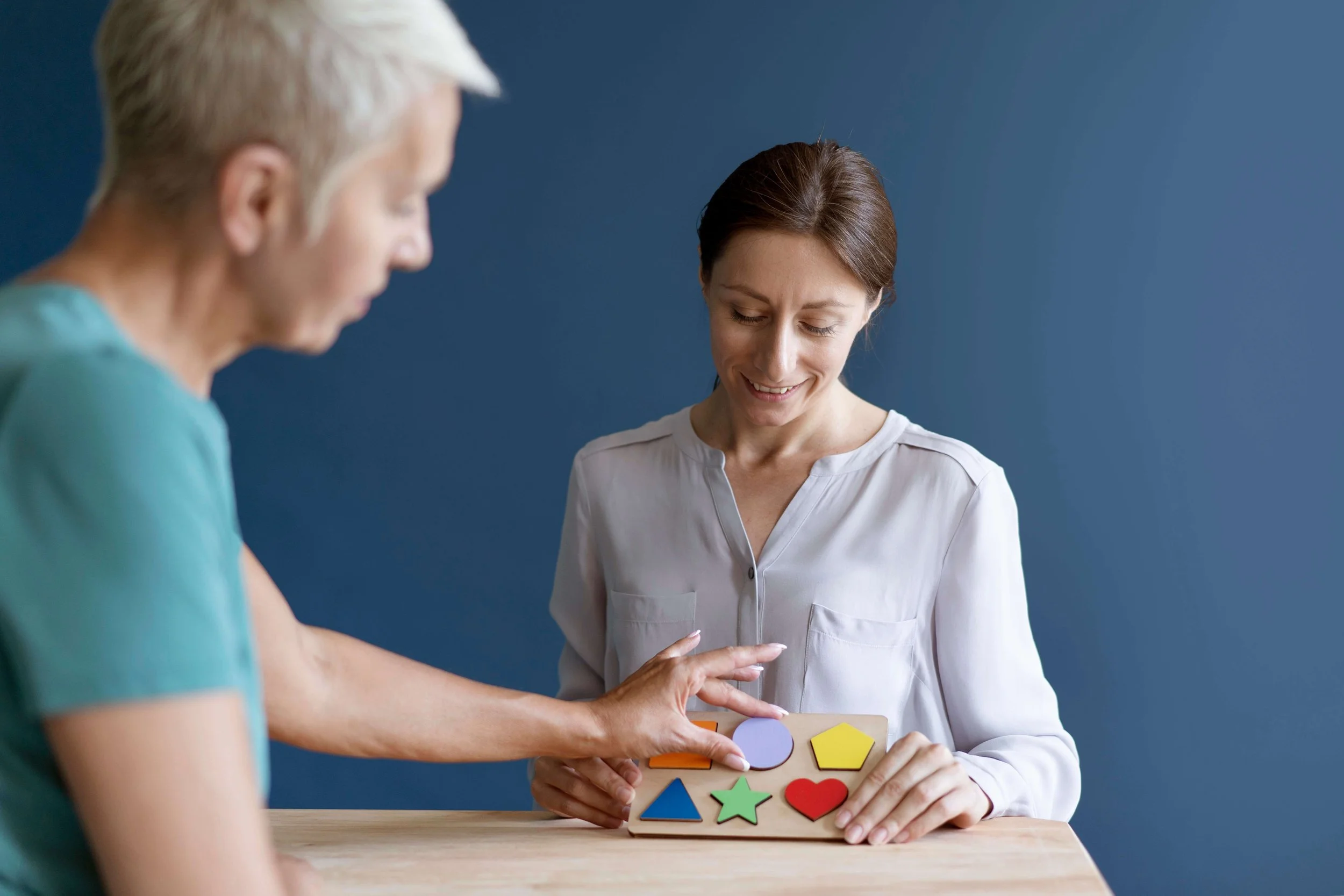
If you've had a stroke, spinal cord injury, Parkinson's disease or another neurological condition, you may have been told that recovery only happens in the first few months.
For many years, this was a common belief. People were often told that once they reached a certain point, there was little more that rehabilitation could achieve. Today, we know that's not the full story.
Research has shown that the brain has an incredible ability to adapt, learn and reorganise itself throughout life. This ability is called neuroplasticity, and it is one of the most important reasons why rehabilitation can continue to make a difference, even months or years after an injury or diagnosis.
While recovery is often fastest in the early stages, the brain never completely loses its ability to learn. With the right rehabilitation, meaningful improvements in movement, independence and quality of life are still possible.
What is neuroplasticity?
Neuroplasticity is the brain's ability to change. Think of your brain as a network of roads carrying messages between different parts of your body. When a stroke, spinal cord injury or neurological condition damages one of those roads, the messages can no longer travel as easily. The remarkable thing is that the brain doesn't simply give up.
Instead, it begins looking for new ways to send those messages. It creates new pathways, strengthens existing ones and learns different ways to complete everyday movements and tasks.
This process doesn't happen automatically. It happens through repetition, practice and rehabilitation. Every time you practise a movement, you're giving your brain another opportunity to strengthen those new pathways.
Why does exercise help?
One of the reasons exercise is so powerful is that it encourages the brain to produce natural chemicals that help it grow and adapt. One of these is called Brain-Derived Neurotrophic Factor (BDNF). You don't need to remember the name, but it's helpful to know what it does.
Many researchers describe BDNF as "fertiliser for the brain." It helps brain cells survive, form new connections and learn more effectively (Merrill, Pacific Neuroscience Institute).
Research consistently shows that exercise increases the production of BDNF, helping create the ideal environment for learning new skills and supporting recovery. That's one of the reasons rehabilitation isn't simply about strengthening muscles, but it's also about helping the brain learn again.
Is there really a time limit for recovery?
One of the biggest myths in neurological rehabilitation is that recovery stops after three to six months. The evidence tells a different story.
While the first few months after injury are an important period for recovery, studies continue to show that the brain remains capable of change well beyond this timeframe.
People months, and even years, after a stroke or spinal cord injury have continued to make meaningful improvements through targeted, intensive rehabilitation.
This doesn't mean everyone will recover in the same way or achieve the same outcomes.
It does mean that recovery should never be ruled out simply because time has passed.
Every person is different, and rehabilitation decisions should be based on the individual, not on an arbitrary calendar.
RESEARCH SPOTLIGHT
Recovery can continue well beyond the first year after a stroke
Recent research has found that the brain's ability to adapt lasts much longer than previously believed.
Researchers found that people continued to respond to rehabilitation well beyond the first year after their stroke, highlighting the importance of ongoing therapy rather than assuming recovery has reached its limit.
The message is clear: it is often worth continuing rehabilitation long after the traditional recovery window has passed.
What helps the brain change?
Neuroplasticity doesn't happen by accident. It responds to the right kind of rehabilitation. The brain learns best when rehabilitation includes:
Repetition - The brain learns through practice. The more times you repeat a movement correctly, the stronger the brain pathway becomes. That's why high-quality repetition is such an important part of neurological rehabilitation. Technology-assisted rehabilitation can often provide hundreds of repetitions during a single session, far more than is possible with traditional therapy alone.
Practising real-life movements - The brain learns what you ask it to do. If you want to improve walking, you need to practise walking. If you want to improve reaching or grasping, those are the movements that need to be trained. The more relevant the activity is to everyday life, the more useful the learning becomes.
The right level of challenge - Recovery happens when the brain is challenged but not overwhelmed. Rehabilitation should be tailored to your current ability and gradually become more difficult as you improve. Finding this balance helps maximise progress while keeping therapy safe and achievable.
Staying engaged - Your brain learns more effectively when you're actively involved. When rehabilitation is meaningful, motivating and focused on your personal goals, the brain responds more strongly than when movements are passive or repetitive without purpose.
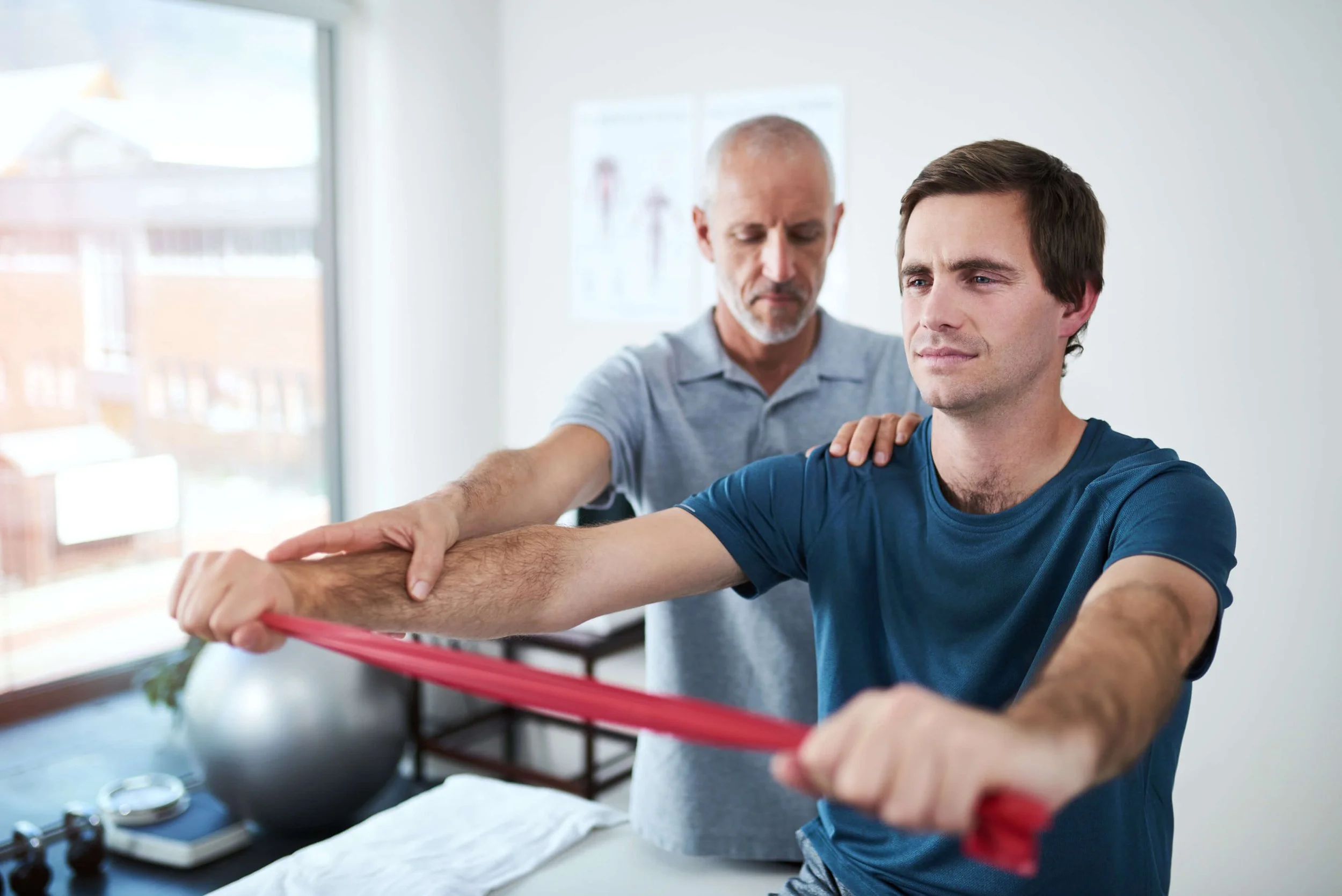
Everyday habits that support recovery
Rehabilitation sessions are important, but what happens outside the clinic matters too.
Several lifestyle factors help create the best environment for neuroplasticity.
Regular exercise - Exercise encourages the brain to release the natural chemicals that support learning and recovery. Research suggests that regular moderate exercise is one of the most effective ways to stimulate neuroplasticity.
Good sleep - Sleep is when the brain processes and strengthens what it has learned during the day. Getting enough quality sleep helps reinforce the new pathways being developed through rehabilitation.
Keeping your mind active - Learning new skills, solving problems and staying mentally engaged all encourage the brain to keep adapting. For many people, cognitive rehabilitation and physical rehabilitation work best together.
Managing stress - Long-term stress can reduce the brain's ability to learn and adapt. Looking after your emotional wellbeing is an important part of recovery, not just for your mental health but also for your brain.
Staying active - The brain follows a simple rule: Use it, or lose it. The pathways we use become stronger. The pathways we stop using gradually weaken. That's why staying active and continuing to practise meaningful movements is so important.
The science behind why it works: Neuroplasticity and repetition
Neuroplasticity is the brain's ability to reorganise itself by forming new neural connections in response to experience and practice
After injury or neurological damage, other areas of the brain can learn to take over lost functions, but only with the right stimulus, delivered with sufficient frequency and quality
Research consistently shows that higher volumes of task-specific, repetitive practice produce better functional outcomes than lower-intensity approaches
Robotic devices make it possible to deliver the intensity of practice that drives neuroplastic change, even in people with very limited active movement
Biofeedback features in many devices make even tiny movements visible, giving the nervous system information it needs to learn, and giving patients evidence that recovery is happening
What does this mean for rehabilitation?
Understanding neuroplasticity changes the way we think about recovery. Effective rehabilitation isn't simply about exercising muscles. It's about helping the brain learn new ways to move, function and regain independence. This is why modern neurological rehabilitation focuses on:
High numbers of quality repetitions
Practising meaningful everyday movements
Challenging the brain at the right intensity
Keeping people engaged and motivated
Measuring progress over time
Technology-assisted rehabilitation supports all of these principles by allowing more repetitions, providing real-time feedback and tracking progress objectively. Rather than replacing therapists, technology gives them more powerful tools to help people achieve their goals.
The bottom line
Neuroplasticity gives us reason to be optimistic. While recovery is usually fastest soon after injury, the brain continues to change throughout life. For many people, meaningful improvements are still possible months or even years after a neurological condition or injury. Every person's recovery journey is different, and outcomes depend on many factors, including the type of injury, overall health, commitment to rehabilitation and the intensity of therapy.
But one thing is increasingly clear from the research: Recovery should never be limited by assumptions about time alone. With the right rehabilitation, the brain can continue to adapt, learn and improve.
How RehabX Can Help
At RehabX, every rehabilitation program is built around the principles of neuroplasticity.
Our multidisciplinary team combines evidence-based therapy with advanced rehabilitation technology to deliver high-quality, intensive and goal-focused rehabilitation designed to help you achieve the best possible outcome.
Whether your injury happened weeks ago or years ago, we'll assess your current abilities and develop a personalised rehabilitation program that's right for you.
Book a rehabilitation assessment at RehabX
Our multidisciplinary team will assess your current function and design a rehabilitation program built on the evidence.
Contact us today | rehabx.com.au | Book online: rehabx.com.au/booking-form
Or email us: enquiries@rehabx.com.au
About RehabX
RehabX is a specialist advanced rehabilitation centre located in North Lakes, Queensland. We deliver integrated, evidence-based care for people with neurological, musculoskeletal, and complex rehabilitation needs, bringing together a multidisciplinary team and world-class robotic rehabilitation technology under one roof.
Disclaimer: This article is intended for general educational purposes only and does not constitute medical advice. Please consult a qualified healthcare professional regarding your individual circumstances. All clinical claims in this article are based on published evidence available at the time of writing.