
Cerebral palsy can affect movement, posture, muscle tone, coordination, balance, walking, hand function and independence. Every person experiences cerebral palsy differently, which is why rehabilitation should be tailored to individual goals and challenges.
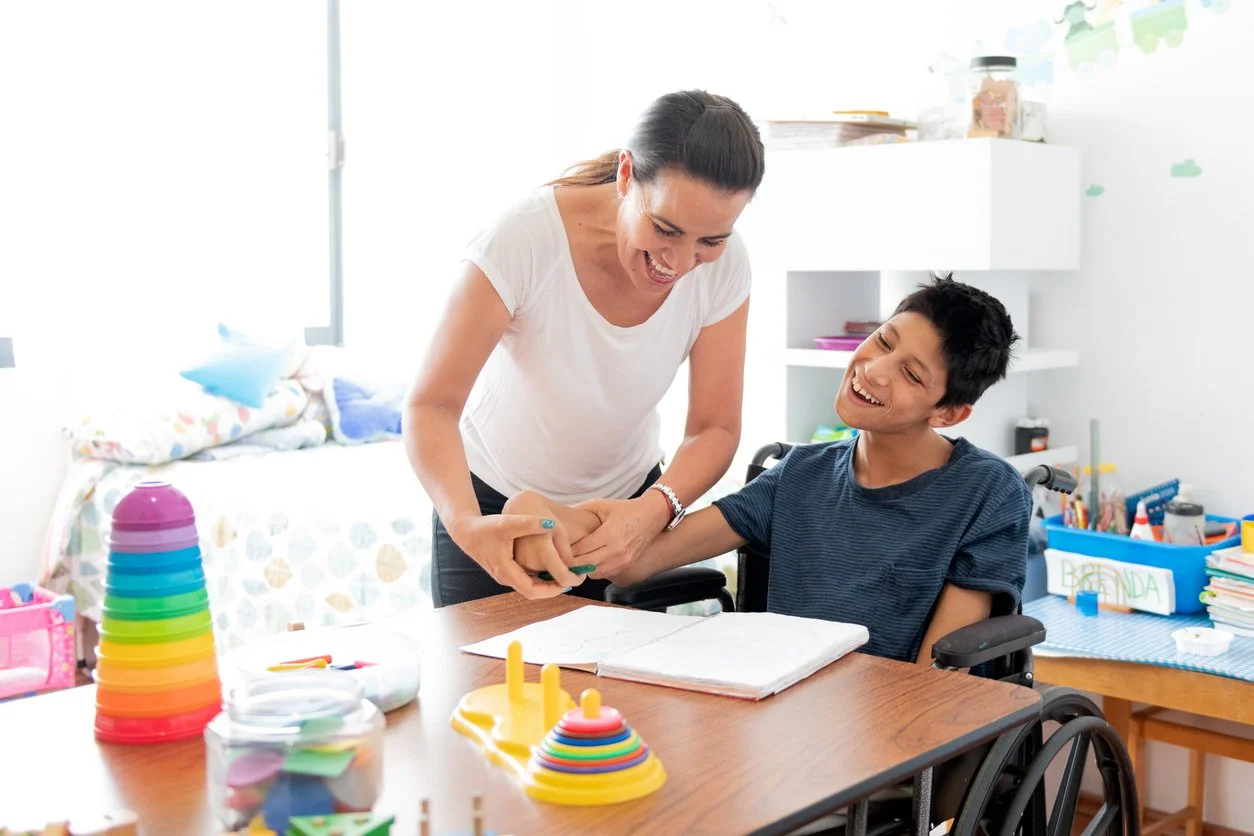
Common Challenges
Walking and mobility difficulties
Stiffness and spasticity
Balance and coordination challenges
Reduced hand and arm function
Pain and postural concerns
Equipment and orthotic needs
Reduced independence with daily activities
How RehabX May Help
Our team works with children, adolescents and adults living with cerebral palsy to support mobility, participation, comfort, independence and quality of life.
How We Treat Cerebral Palsy at RehabX
Treatment may involve physiotherapy, occupational therapy, exercise physiology, speech pathology, orthotics and rehabilitation gym programs. Where clinically appropriate, rehabilitation may incorporate:
BTL R-Gait for structured walking practice and gait retraining
BTL R-Touch for hand and upper limb rehabilitation
BTL R-Lead for reaching, coordination and task-based arm activities
THERA-Trainer toro for conditioning, endurance and movement practice
BTL SIS to support muscle activation and preparation for movement